










Welcome! The International Dyslexia Association (IDA) Oregon Branch is a 501(c)(3), non-profit organization that serves Oregon plus southwest Washington counties of Pacific, Wahkiakum, Cowlitz, Clark, Skamania & Klickitat. Our mission is to raise awareness and understanding of dyslexia, to promote effective intervention strategies, and to support individuals with dyslexia, their families, and professionals in our community.
#UntilEveryoneCanRead

SPOTLIGHT!
IDA National is Celebrating its 75th year!
IDA National is Celebrating its 75th year! As the International Dyslexia Association (IDA) celebrates its 75th year, we remain steadfastly dedicated to tackling the defining ...
FACT SHEETS!
Fact Sheets IDA fact sheets are convenient, professionally reviewed materials designed to improve understanding and support advocacy initiatives. Fact sheets are frequently used to enrich ...
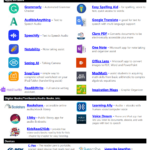
Assistive Technology Tech Sheet
IDA Oregon Student Empowerment Panel - Recommended Tech Sheet! IDA Oregon is here to provide free, educational resources to families, teachers, and more. For additional ...

Thank You Judy
It is with great sadness that the International Dyslexia Association - Oregon Branch (ORBIDA) shares the news of the passing of our colleague, friend, and ...

It’s Never Too Late
"Sandy and Mike were both in their fifties when they decided to give reading one last chance" Video - It's Never Too Late. In 2018, ...
See other posts…